
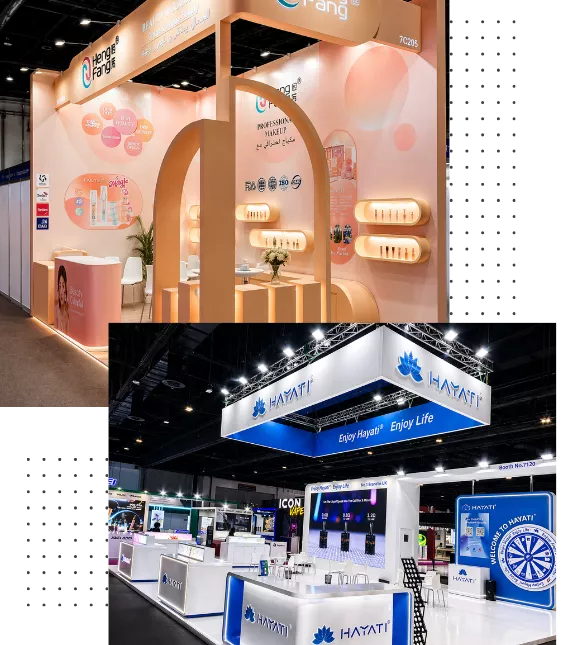
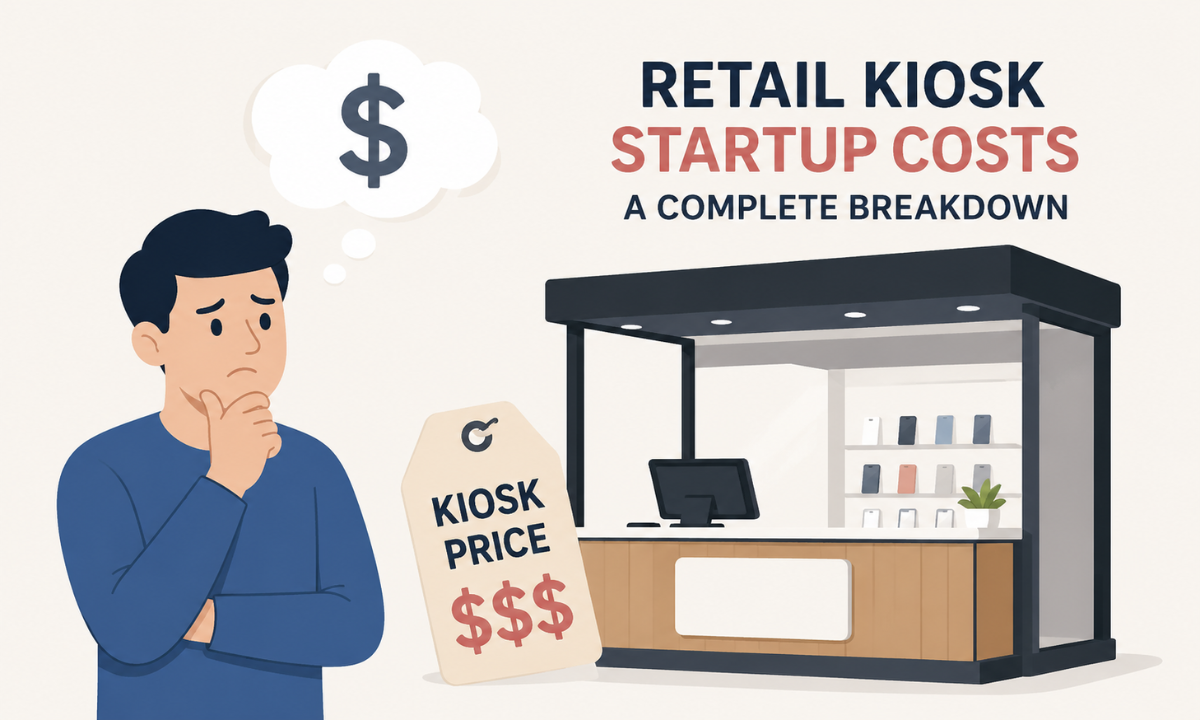

Retail kiosk startup costs in AED can range from about AED 25,000 for a basic setup to AED 150,000+ for a premium, fully branded kiosk, depending on size, location, fit-out, and inventory. Below is a fresh, original article-style breakdown with a table, short pointers, and Dubai-focused pricing in AED.
Retail Kiosk Startup Costs: A Complete Breakdown
Launching a retail kiosk manufacturers in Dubaiis a smart way to enter the market with a smaller footprint than a full store. The biggest advantage is flexibility: you can test products, build footfall, and control overhead while still creating a strong brand presence. In Dubai and similar high-traffic markets, the final budget depends heavily on mall rules, kiosk size, finishing quality, and whether your setup is custom-built or modular.
A kiosk business usually has two cost layers: one-time setup costs and recurring monthly costs. One-time costs cover design, fabrication, branding, equipment, and opening stock. Monthly costs include rent, staffing, utilities, maintenance, and replenishment of inventory.
Main Cost Breakdown
Kiosk fabrication and structure: The physical kiosk itself is often the first major expense.
Interior and branding: Lighting, shelving, graphics, and signage make the kiosk look professional.
Licensing and permits: Business approval, mall permissions, and trade-related documentation add to the initial budget.
Inventory: The stock you display and sell is a major working-capital requirement.
Technology: POS systems, payment terminals, and basic software help manage sales.
Staffing and launch: Hiring, training, uniforms, and opening promotions also need funds.
Cost Table in AED
| Cost Component | Basic Range (AED) | Mid Range (AED) | Premium Range (AED) |
|---|---|---|---|
| Kiosk fabrication | 12,000 | 25,000 | 60,000+ |
| Branding and signage | 2,000 | 5,000 | 15,000+ |
| Lighting and electrical work | 1,500 | 4,000 | 10,000+ |
| Display shelves and counters | 3,000 | 8,000 | 20,000+ |
| POS system and hardware | 1,500 | 3,500 | 8,000+ |
| Licensing and approvals | 5,000 | 10,000 | 20,000+ |
| Initial inventory | 8,000 | 20,000 | 40,000+ |
| Staffing setup and uniforms | 2,000 | 5,000 | 12,000+ |
| Marketing and launch promo | 1,500 | 4,000 | 10,000+ |
| Security deposit and advance rent | 10,000 | 25,000 | 50,000+ |
What Drives the Budget
Location is one of the biggest cost drivers. A kiosk in a premium mall or airport-like environment can cost far more than one in a neighborhood retail center. Footfall, visibility, and lease terms all affect pricing, so the same kiosk concept may cost very differently across locations.
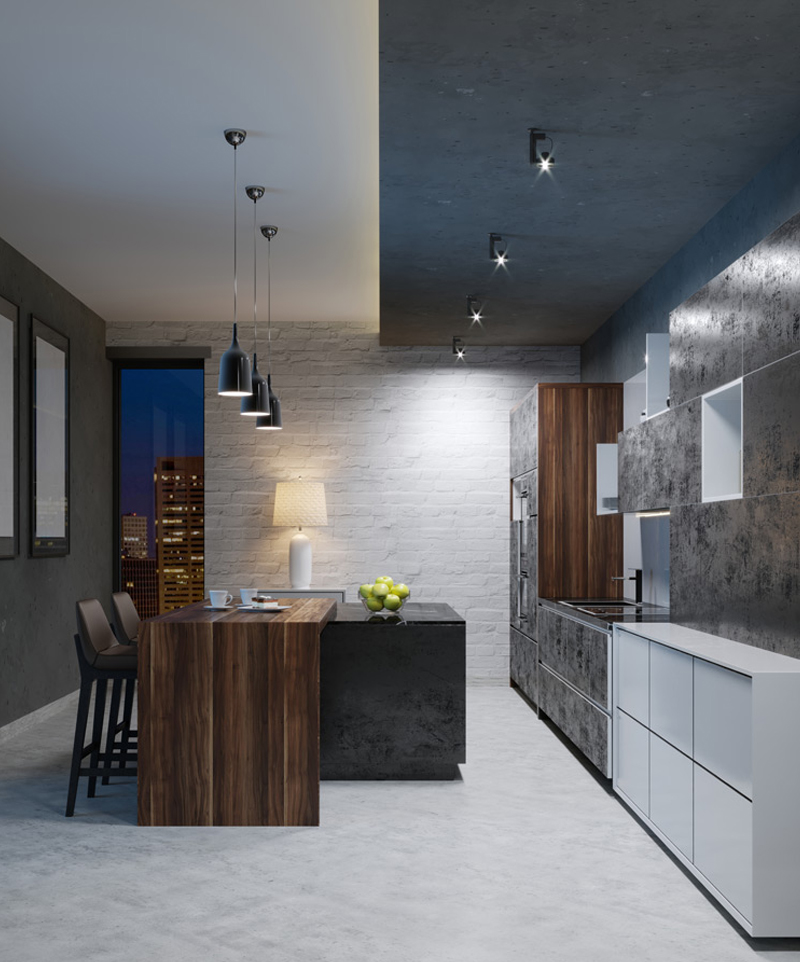
Design complexity also matters. A simple modular kiosk is cheaper, faster to install, and easier to move. A custom-designed kiosk with curved counters, premium finishes, digital displays, and storage solutions will cost more but can create a stronger customer experience.
Inventory strategy changes the total investment too. A business with small-ticket products can start with a lower stock value, while categories like accessories, cosmetics, gadgets, or gifting may need deeper inventory to avoid missed sales. It is smart to keep extra working capital so you can restock quickly during demand spikes.
Monthly Running Costs
- Rent or revenue share: Often the largest fixed cost in mall-based kiosks.
- Staff salary: At least one or two trained people may be needed per shift.
- Electricity and maintenance: Lighting, displays, and daily upkeep add recurring expense.
- Refill inventory: Sales only continue if stock is replenished on time.
- Marketing: Promotions, social media, and seasonal offers help maintain traffic.
For many Dubai kiosk businesses, monthly operating costs can start around AED 12,000 and move much higher depending on location and staffing. If the kiosk is in a prime destination, rent and mall charges can quickly become the dominant expense. That is why cash flow planning is just as important as the initial build cost.
Budget Planning Tips
- Start with a clear product category and customer profile.
- Choose a kiosk design that balances visual appeal and practicality.
- Keep a separate reserve for rent, stock refill, and slow sales months.
- Compare custom fabrication with modular solutions before committing.
- Use lighting, layout, and signage to increase sales without overspending.
A good rule is to avoid spending the full startup budget on the kiosk shell alone. If the build looks great but leaves no room for inventory or marketing, sales performance may suffer. A balanced launch plan usually performs better than an overly expensive fit-out.
Retail kiosk success comes from smart spending, not just big spending. The right mix of design, stock, location, and operating discipline can turn a compact space into a strong retail business with healthy margins.