

When you are thinking about starting a business, introducing a product into a new market, or expanding your brand without establishing a brick-and-mortar storefront, choosing a kiosk business format is probably one of the best ways to do it. However, there is one crucial question that every new business owner faces and that is difficult to answer at times: Should you open a retail kiosk or a mall kiosk? These options seem very alike at first, yet they exist in completely different worlds.
This guide explains the key aspects of each type of kiosk business, allowing you to choose the right one for your needs.
What Is a Retail Kiosk?
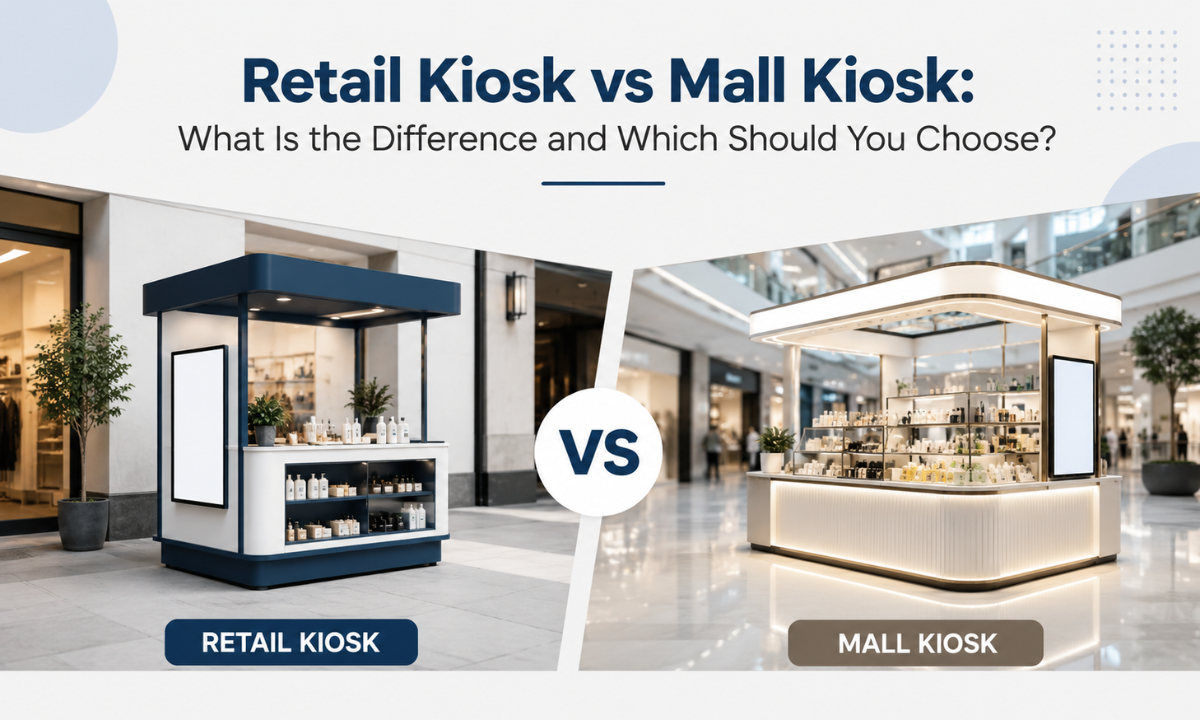
A retail kiosk is a compact, self-contained selling unit placed inside or adjacent to a larger retail environment such as a grocery store, airport terminal, transit hub, big-box store, or standalone outdoor market. Retail kiosks are designed for high convenience and quick transactions. They typically occupy between 25 and 60 square feet and are operated by one or two staff members at a time.
Retail kiosk manufacturers in Dubai work well for businesses selling single-category products like phone accessories, food items, cosmetics samples, or subscription services. Because they are placed inside an already-trafficked retail environment, they benefit from an established foot traffic pattern without requiring the business to generate its own customer flow from scratch.

Common types of retail kiosks include:
Airport kiosks for travel accessories, snacks, and electronics Grocery store kiosks for health products, phone plans, and beauty items Transit station kiosks for newspapers, coffee, and convenience goods Pop-up retail kiosks in open-air markets and festival grounds.
What Is a Mall Kiosk?
A mall kiosk is a freestanding selling unit located in the common area of a shopping mall, usually in the walkway between anchor stores. Mall kiosks, also called inline kiosks or common area merchandise units, are permanent or semi-permanent fixtures that shoppers pass as they navigate the mall.
Mall kiosk manufacturers in Dubai typically range from 50 to 150 square feet. They are more visible than retail kiosks because they sit in open, high-traffic corridors where thousands of shoppers walk daily. They are designed to attract impulse buyers and foot-traffic-driven sales.
Common mall kiosk product categories include:
Jewelry and accessories
Skincare and personal care products
Handmade crafts and artisan goods
Tech gadgets and novelty electronics
Seasonal and holiday merchandise
Key Differences Between Retail Kiosks and Mall Kiosks
Location and Foot Traffic
Retail kiosks are located within or beside existing retail outlets, which means their foot traffic depends on the traffic patterns of the host store. A kiosk inside a pharmacy attracts a health-conscious shopper with a specific purpose. A mall kiosk, by contrast, sits in the general flow of browsing shoppers who are open to discovery and impulse purchases. Mall traffic is broader, more diverse, and less intent-specific.
Lease Structure and Cost
Mall kiosks generally involve higher rental costs. Prime mall kiosk locations in major shopping centers can cost anywhere from 1,500 to 10,000 US dollars per month depending on the mall tier, city, and time of year. Retail kiosks placed inside partner stores often come with lower monthly fees, revenue-sharing arrangements, or subsidised placements as part of a brand partnership.
Brand Visibility and Signage
A mall kiosk allows for more dramatic branding because you control the design of your unit in open space. You can use tall signage, lighting, displays, and product demonstrations that attract shoppers from a distance. A retail kiosk placed inside a host store must often comply with the host brand’s visual standards, limiting how much customization you can do.
Target Customer and Buying Behaviour
Retail kiosk customers are often goal-oriented shoppers who already know what they want. Mall kiosk customers are more often in discovery mode. This makes mall kiosks ideal for products that benefit from a live demo or a sensory experience, such as skincare serums, handcrafted candles, or wearable tech. Retail kiosks work better for straightforward, low-consideration purchases.
Operational Flexibility
Retail kiosks inside partner stores often benefit from shared security, shared hours, and shared utilities. A mall kiosk operator is responsible for their own staffing, security, and operational management during mall hours, which are typically longer than average retail hours.
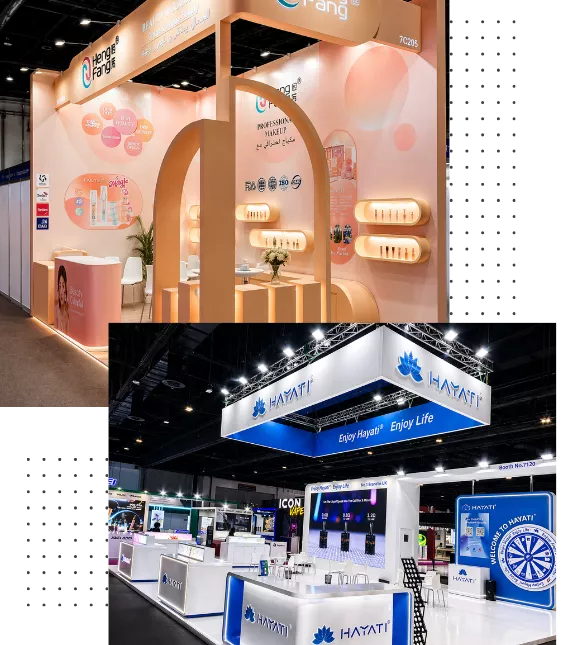
Face to Face Events: How Both Kiosk Types Can Supercharge Your Growth
One of the most underrated strategies for kiosk businesses is leveraging face-to-face events to create a direct connection with shoppers and drive awareness that no digital advertisement can fully replicate.
Whether you operate a retail kiosk or a mall kiosk, participating in live events transforms your passive selling point into an active engagement hub. Face to face interaction builds trust faster than any online channel, and for kiosk businesses, this is a critical growth lever.
Here is how to use face to face events effectively:
In-kiosk live demonstrations turn your kiosk into a performance space. Schedule a product demo every hour. Let shoppers touch, try, and experience the product. This dramatically increases conversion rates for sensory products like skincare, food, or tech gadgets.
Mall-wide pop-up events create urgency. Partner with mall management to host a weekend activation event. Set up a larger display area near your kiosk, offer limited-time bundles, and use the event to gather email sign-ups and social media followers.
Retail partner events work well for retail kiosk operators. If your kiosk is inside a grocery chain or pharmacy, coordinate with the host store during their seasonal sales events. Position your kiosk staff to engage customers during peak traffic hours.
Community and festival presence extends your brand beyond your fixed location. Take a portable version of your kiosk to local markets, street fairs, and community events. This builds local brand recognition that drives repeat visits to your permanent kiosk.
Loyalty and referral events reward your existing customers with in-person appreciation moments. A simple “bring a friend” day at your kiosk where customers earn a discount for introducing someone new creates organic word-of-mouth growth that scales without advertising spend.
Face to face events are not just promotional tactics. They are relationship-building tools that create emotional connections between shoppers and your brand, which leads to higher lifetime customer value and stronger local brand authority.
Which Should You Choose?
The right choice depends on four factors: your product type, your budget, your target customer, and your growth strategy.
Choose a retail kiosk if your product is convenience-driven, your budget is limited, and you want lower operational risk while testing a market. Retail kiosks are excellent for first-time kiosk operators who want a structured, lower-cost environment.
Choose a mall kiosk if your product benefits from visibility and live demonstration, you can handle higher monthly rent, and you want to build brand recognition in a high-traffic consumer environment. Mall kiosks are better suited for growing brands that need scale and exposure.
Many successful kiosk entrepreneurs start with a retail kiosk to validate their concept and then move into a mall kiosk once they have proven their sales model and built enough cash flow to sustain higher rent.
Conclusion
Both retail kiosks and mall kiosks offer genuine business opportunities for entrepreneurs who want a flexible, lower-overhead path to physical retail. Understanding the differences in location strategy, cost, customer behavior, and branding potential helps you make a more confident, better-informed decision.
Retail & Mall Kiosk FAQs
Q1. What is the difference between a retail kiosk and a mall kiosk?
A retail kiosk is placed inside an existing store like a pharmacy, airport, or grocery outlet. A mall kiosk sits in the open common area of a shopping mall. Retail kiosks serve goal-oriented shoppers. Mall kiosks attract impulse buyers browsing in discovery mode.
Q2. Which is more expensive a retail kiosk or a mall kiosk?
Mall kiosks cost more. Prime mall kiosk locations can run between USD 1,500 to 10,000 per month depending on mall tier, city, and season. Retail kiosks inside partner stores typically come with lower fees, revenue-sharing arrangements, or subsidized placements.
Q3. What products sell best at a mall kiosk?
Mall kiosks work best for products that benefit from live demos and sensory experiences. Top-performing categories include jewelry and accessories, skincare and beauty, tech gadgets, handmade crafts, and seasonal merchandise.
Q4. Can I customise the design of my kiosk in a mall?
Yes mall kiosks offer full design freedom. You control signage, lighting, displays, and product presentation in open space. Retail kiosks inside host stores often have design restrictions tied to the host brand’s visual guidelines.
Q5. Should I start with a retail kiosk or a mall kiosk?
Start with a retail kiosk if your budget is limited and you want lower operational risk while testing your product. Move to a mall kiosk once you’ve validated your sales model and built enough cash flow to handle higher monthly rent.
Q6. How can face to face events help grow my kiosk business?
Live events turn your kiosk into an active engagement hub. In-kiosk product demos, mall pop-up activations, loyalty days, and community market appearances all build trust faster than digital advertising driving repeat visits, word-of-mouth referrals, and stronger local brand authority.